


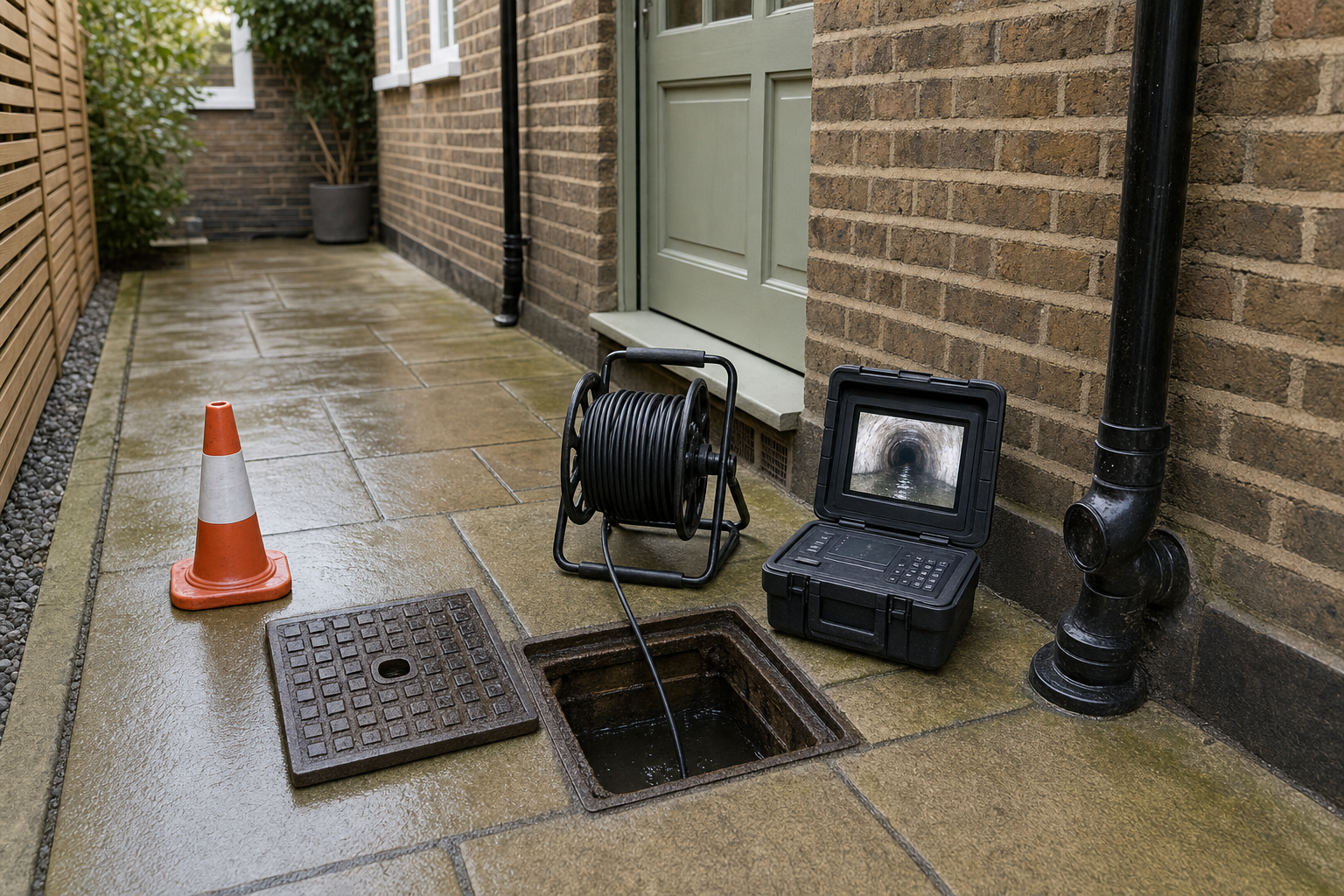
Getting the blockage sorted properly
Blockage location matters
Toilets, wastes and drains need different clearance depending on where the problem sits.
Cleaner, clearer advice
We explain when to stop using fixtures and how to contain overflow safely.
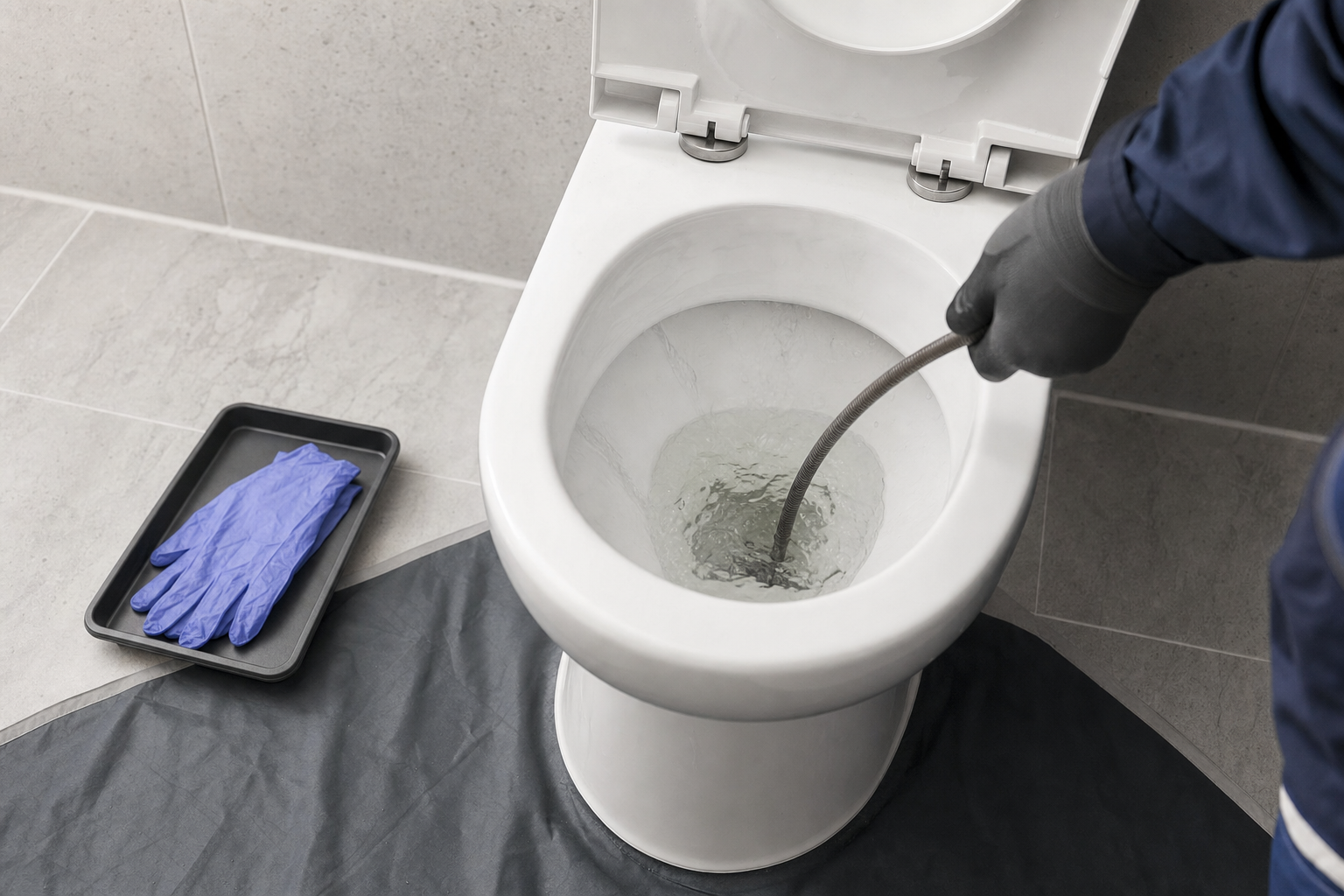
Clearing the obstruction at the right point
A blocked toilet or drain rarely stays a neat little inconvenience. Water backs up, smells build, flushing stops working properly, and one more hopeful try can make the mess worse. We start by working out whether the obstruction sits in the pan, a local waste pipe or a connected drain, because the right clearance method depends on where the blockage actually is. With Local Plumbers 24/7, the aim is simple: clear the obstruction properly, get the flow moving again and spare you the usual cycle of plunge, regret and repeat.
What to do before we arrive
Before we arrive, stop using the affected fixture if you can, contain any overflow safely and make sure we can reach the toilet, waste connection or drain point. On site, we use suitable mechanical clearance, remove accessible obstructions and test water flow so you know the blockage has actually gone. Customers who call Local Plumbers 24/7 for this kind of job get straightforward guidance, a cleaner repair process and a clear idea of whether the problem was local to one fixture or part of a wider drainage issue.

Frequently asked questions
Should I keep trying to flush a blocked toilet?
Usually no. Repeated flushing can push water higher into the pan and make a bad mess worse. Stop using the affected toilet or drain if you can, contain any overflow safely and tell us whether the blockage seems local to one fixture or part of a wider drainage problem.
How do you tell where the blockage is?
We look at the symptoms and the route the waste should be taking. A toilet blockage, a problem in a local waste pipe and a connected drain obstruction do not behave in quite the same way, so locating the issue guides the clearance method.
Will you test the drain after clearing it?
Yes. Once the accessible obstruction is removed or the line is mechanically cleared, we run water through and check that the flow has properly returned. That helps confirm the blockage has been dealt with rather than just disturbed.