


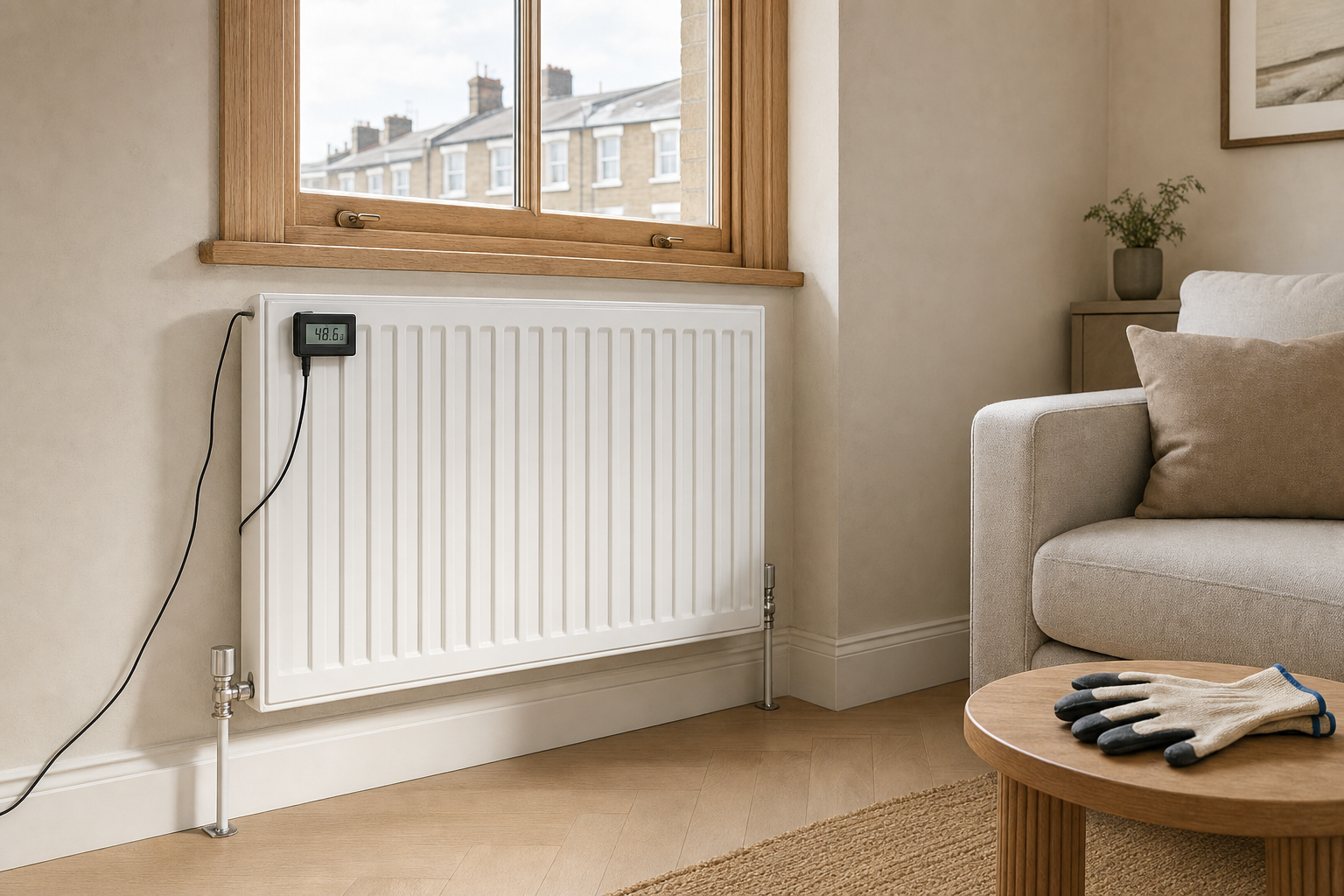
Why one cold radiator can mean more
Symptoms read properly
Cold spots, noise and leaks often point to very different underlying faults.
Radiator and system checks
We look at valves, air, balance and circulation rather than one part alone.
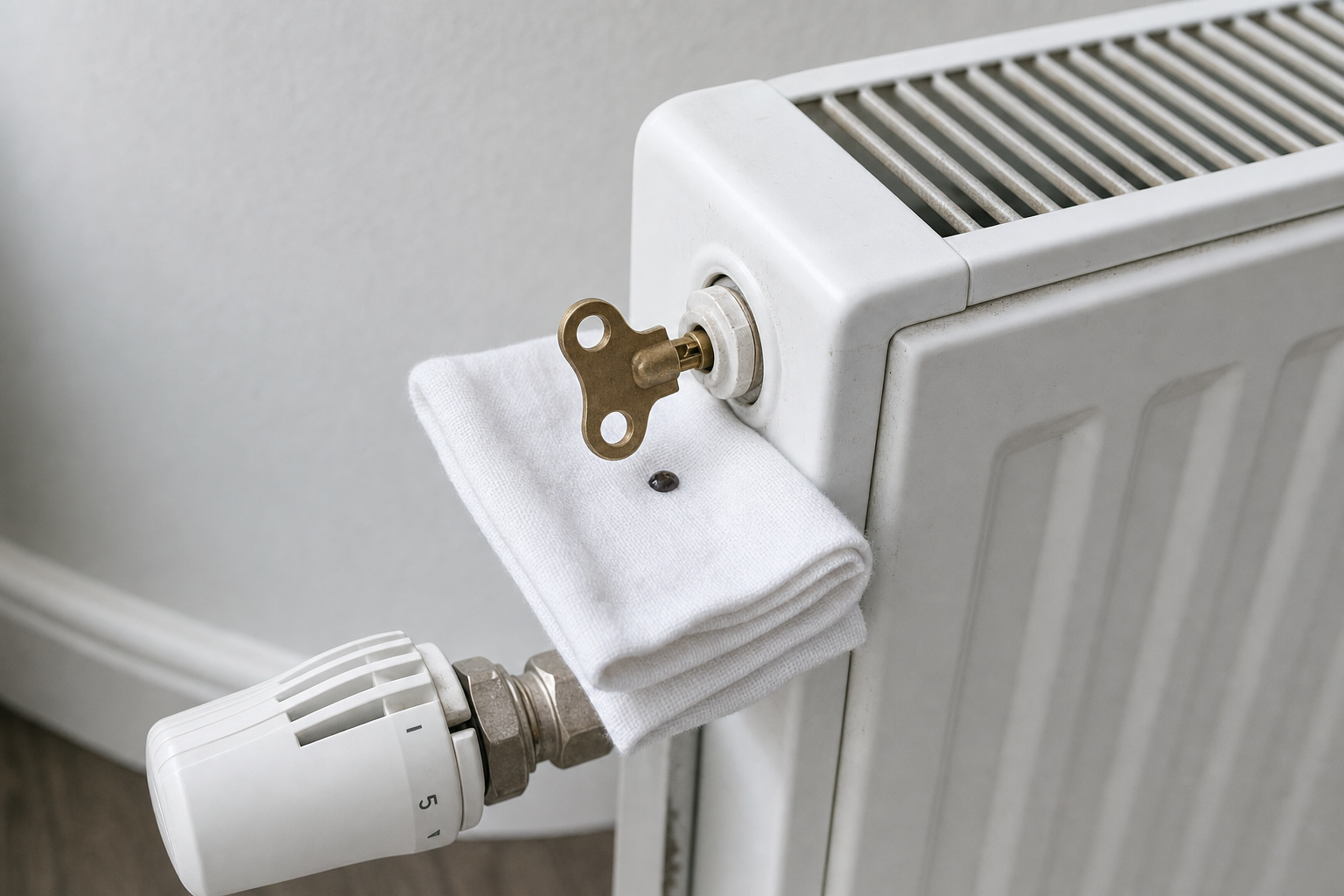
Why a radiator goes cold or noisy
A radiator that stays cold, warms only at the top, leaks at the valve or clicks and gurgles all evening is telling you something different each time. We look at the common causes behind poor radiator performance, including trapped air, balancing issues, worn valves, circulation faults and the effect of contamination elsewhere in the system. That matters because a radiator problem is not always a radiator-only problem. With Local Plumbers 24/7, we check the symptom in the context of the heating system so the repair actually matches the cause.
Fixing the cause, not just bleeding and hoping
Depending on what we find, the answer might be bleeding, balancing, valve work, leak repair or, where the radiator's condition has gone too far, replacement. We also check system pressure, bring the heating back up to temperature and confirm that warmth is distributing more evenly before we leave. Customers who choose Local Plumbers 24/7 get a practical fix for the room that is cold now, plus a better understanding of whether the wider system needs further attention.

Frequently asked questions
Why is one radiator cold when the others are warm?
A single cold radiator can point to trapped air, a seized valve, balancing issues or poor circulation through that branch of the system. We check the radiator and the wider heating context so the cause is traced properly rather than guessed from the symptom alone.
Do radiators need replacing if they leak?
Not always. Some leaks can be resolved through valve work or attention to the affected joint, while others show that the radiator itself is beyond a worthwhile repair. We judge that on the condition of the unit and what the rest of the system is doing.
What do you test after a radiator repair?
We check system pressure, bring the heating back up to temperature and confirm that heat is distributing more evenly across the radiator and, where relevant, the rest of the circuit. That tells you more than simply hearing water start to move again.