


Joined-up heating fault finding
Tracing faults across the whole system
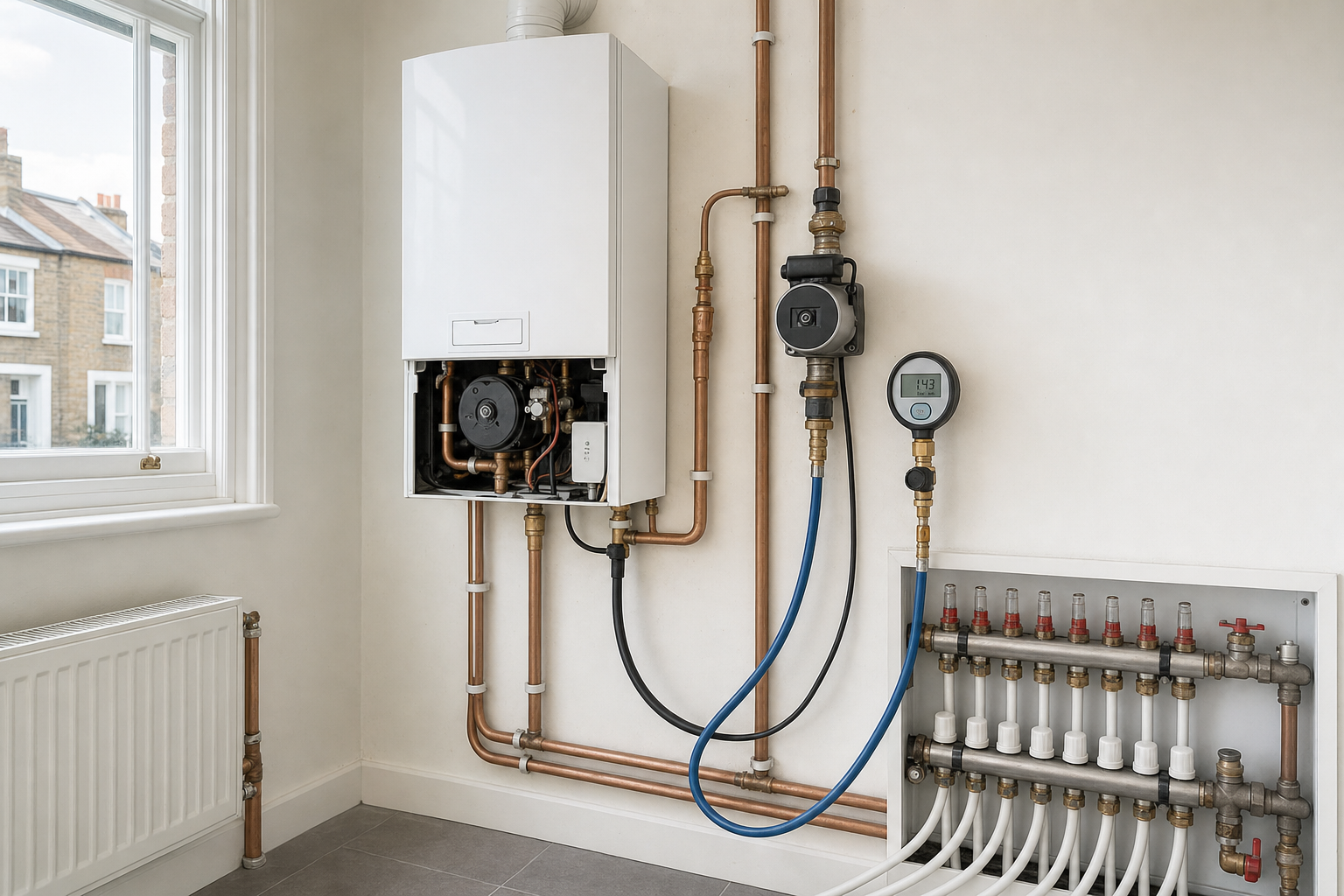
When the whole heating system starts acting up, the signs can be messy rather than neat. Some rooms stay cold, the pressure moves around, the controls stop responding, or the pipework and radiators never seem to carry heat properly. We trace central heating faults across the connected system, checking the boiler, pump, thermostat, valves, radiators and circulation path instead of blaming the first part that looks suspicious. With Local Plumbers 24/7, that joined-up fault finding matters because heat delivery often fails in one place while the real cause sits in another.
Repairs checked by real heat delivery
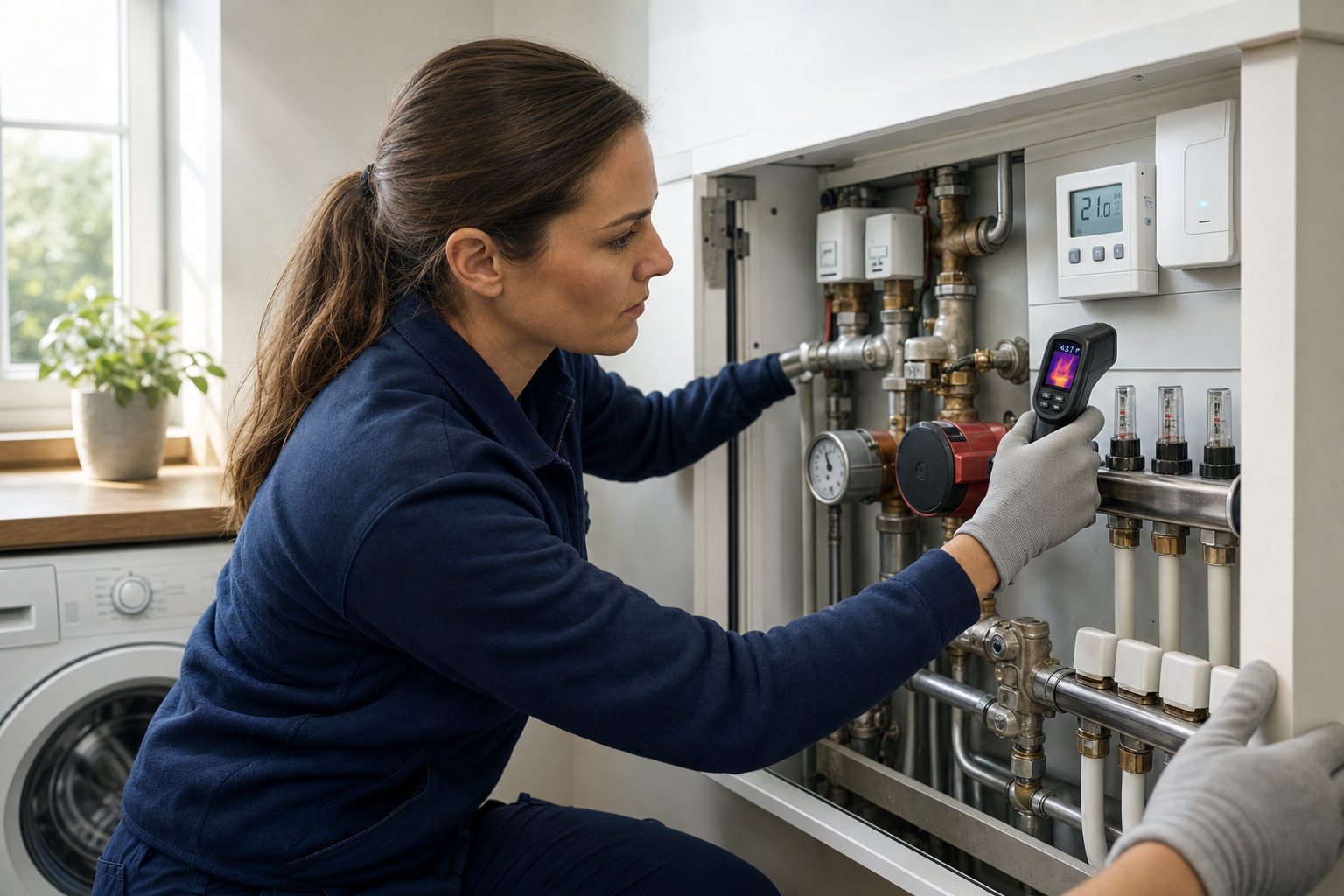
Once the problem is isolated, we carry out the necessary component work, repressurise where needed and test heat distribution through the system. The aim is not just to hear the boiler fire, but to make sure warmth is actually getting where it should. Customers who call Local Plumbers 24/7 get central heating repair backed by broader boiler knowledge, which helps when the fault crosses over between appliance, controls and the rest of the circuit.

Frequently asked questions
Why is my central heating not working properly?
The problem could sit with the boiler, pump, thermostat, valves, radiators, pressure or the way water is circulating through the system. Because several parts affect heat delivery, we check the connected system rather than chasing only the most obvious symptom.
Do you look at the boiler and radiators together?
Yes. Heating problems often cross between appliance, controls and distribution, so checking them together makes more sense than treating each part in isolation. That joined-up approach is often what reveals where the system is actually failing.
What happens once you find the fault?
We isolate the issue, carry out the necessary repair work, repressurise where needed and test heat distribution through the system. The aim is a house that warms properly again, not just a boiler that sounds busier than it did an hour ago.